
The Chanel Bags Everyone Wants — And The Stories That Made Them Icons
There are handbags.
And then there are Chanel bags.
Not because they are expensive.
Not because they are recognizable.
But because each one carries a narrative — about rebellion, love, freedom, modern womanhood, and the quiet power of elegance.
From old Hollywood icons to the front rows of Paris Fashion Week, from royalty to today’s global style voices like Jennie Kim and Margot Robbie, Chanel bags have never simply followed fashion.
They have defined it.
They do not arrive as trends.
They arrive as symbols.
This is not a list.
This is a journey — through the objects that shaped how women move through the world.
Where It All Began: The Bag That Freed Women
In February 1955, Gabrielle Chanel introduced something that would quietly disrupt the social choreography of femininity.
She gave women a shoulder strap.
At a time when handbags were meant to be carried by hand — gracefully, deliberately, almost ceremonially — the idea of wearing one across the body felt radical.
But Coco understood something fundamental:
Elegance should never limit movement.
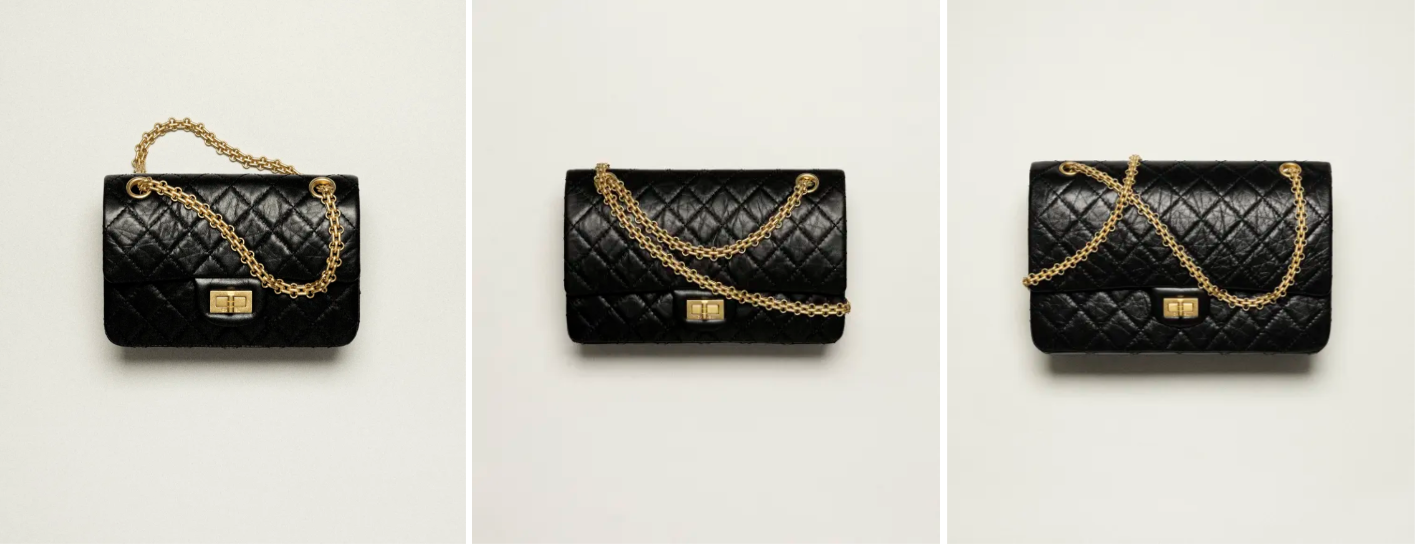
The result was the 2.55.
A bag not designed merely for appearance, but for life.
Its details were autobiographical.
The quilted exterior was inspired by the padded jackets worn by jockeys at the racetrack — a world Coco admired for its speed and discipline.
The burgundy lining echoed the uniforms of the convent orphanage where she was raised.
The chain strap mirrored the caretakers’ key chains she remembered from childhood.
Even the hidden back pocket was rumored to hold her love letters.
The Reissue Medium still carries the Mademoiselle lock — understated, precise, unapologetically independent.
No interlocking Cs.
No need for declaration.
Just presence.
It is the kind of bag imagined on a woman who does not seek approval.
Perhaps that is why women like Kristen Stewart are drawn to it — women whose style speaks softly, yet unmistakably.
The Evolution of Power: Enter the Classic Flap
Decades later, the story continued — not through replacement, but reinterpretation.
When Karl Lagerfeld arrived at Chanel in 1983, he understood that heritage must evolve to survive.
He did not erase Coco’s work.
He reframed it.
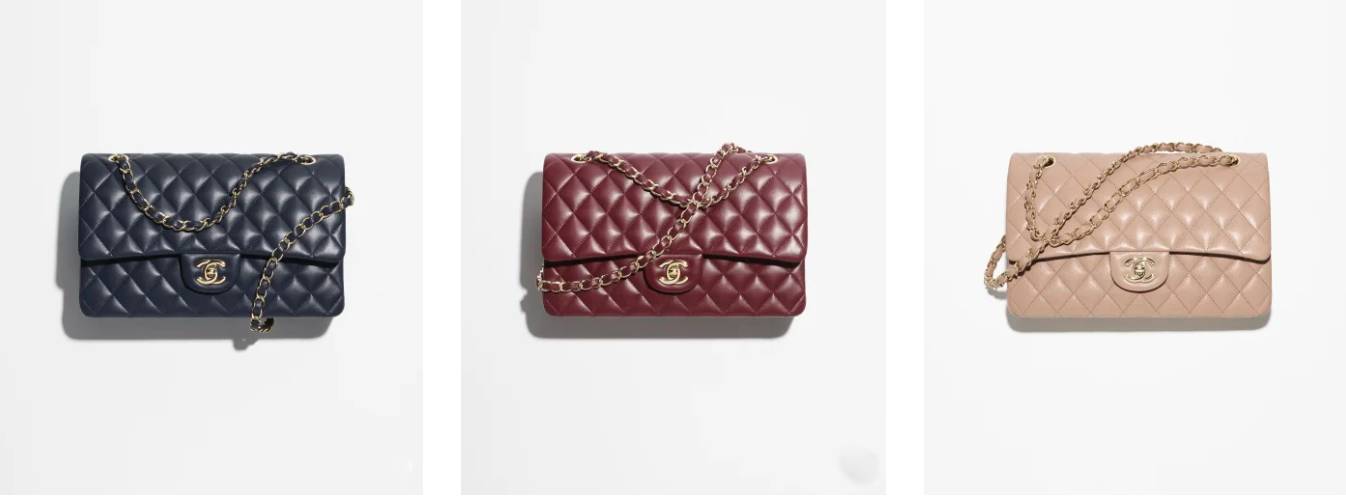
From this dialogue between past and present came the 11.12 Classic Flap.
The interwoven leather-and-chain strap introduced a new texture of movement.
The double-C turn lock made identity visible — not loudly, but unmistakably.
The structure became sharper, more architectural.
The black version feels like a perfectly tailored blazer — composed, intelligent, permanent.
The pink version tells a different story.
Softness without fragility.
Femininity without concession.
Seen on figures like Blake Lively, it reflects a cultural shift:
Power no longer needs severity to be taken seriously.
When Chanel Chose Edge: The Boy Bag
In 2011, Chanel stepped into tension.
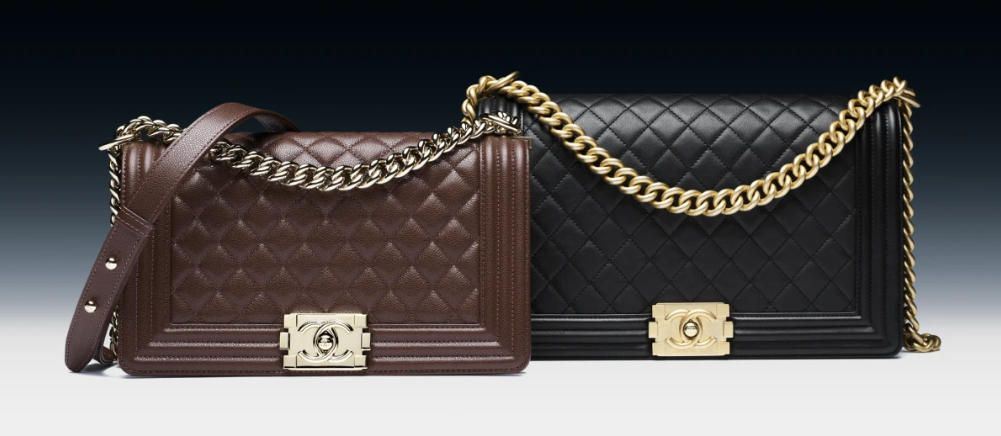
The Boy Bag was born.
Inspired by Coco’s great love, Boy Capel, the design rejected traditional softness.
It was linear.
Boxy.
Almost architectural.
Its clasp resembled industrial hardware more than jewelry.
Its chain felt closer to armor than ornament.
This was not Chanel cautiously adapting to modernity.
This was Chanel declaring it.
Karl Lagerfeld once described the bag as “a cartridge bag for hunting.”
It introduced a visual language of strength — appealing to women who favored autonomy over nostalgia.
It quickly became synonymous with those who resist being categorized.
Artists, musicians, performers.
Women like Dua Lipa, whose fashion choices echo a refusal to conform.
Shop Now
A New Chapter: Designing for Real Life
Luxury once revolved around arrival.
Now, it revolves around movement.
Workdays bleed into travel days.
Meetings into dinners.
Cities into time zones.
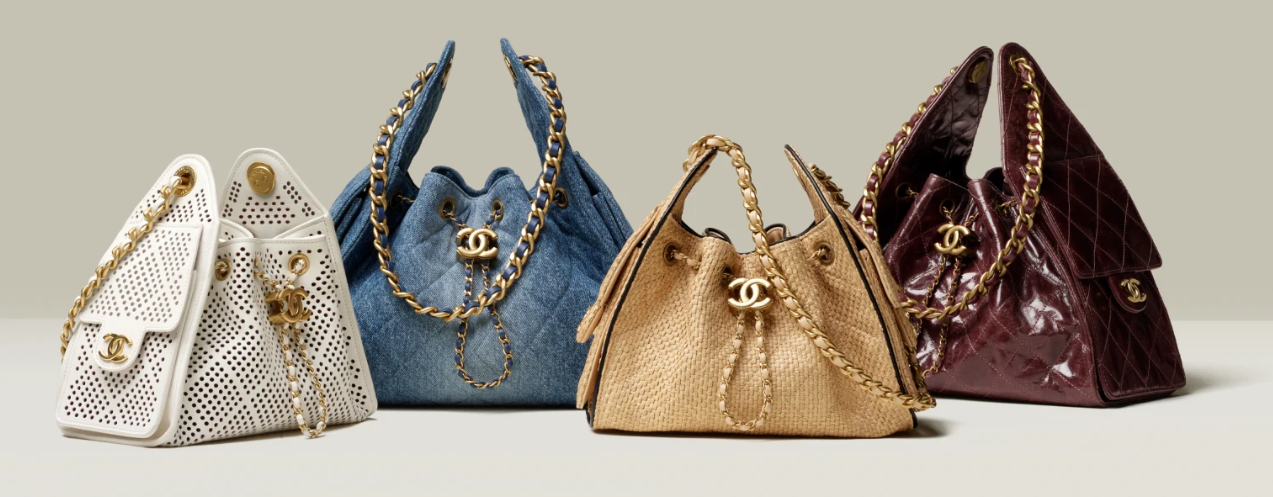
The Chanel 25 collection emerged from this fluidity.
In burgundy, it holds a quiet gravity — ambition without ostentation.
In denim blue, it softens formality, inviting daily wear.
In light apricot, it introduces warmth — a subtle emotional tone in leather.
These are not statement pieces for singular moments.
They are companions for evolving routines.
The Medium Backpack completes this shift.
It acknowledges a truth:
Modern elegance is mobile.
It moves through airports, subways, creative studios, and boardrooms long before it arrives at any gala.
Shop Now
The Rise of Effortless Luxury
If structure defined the past, ease defines the present.
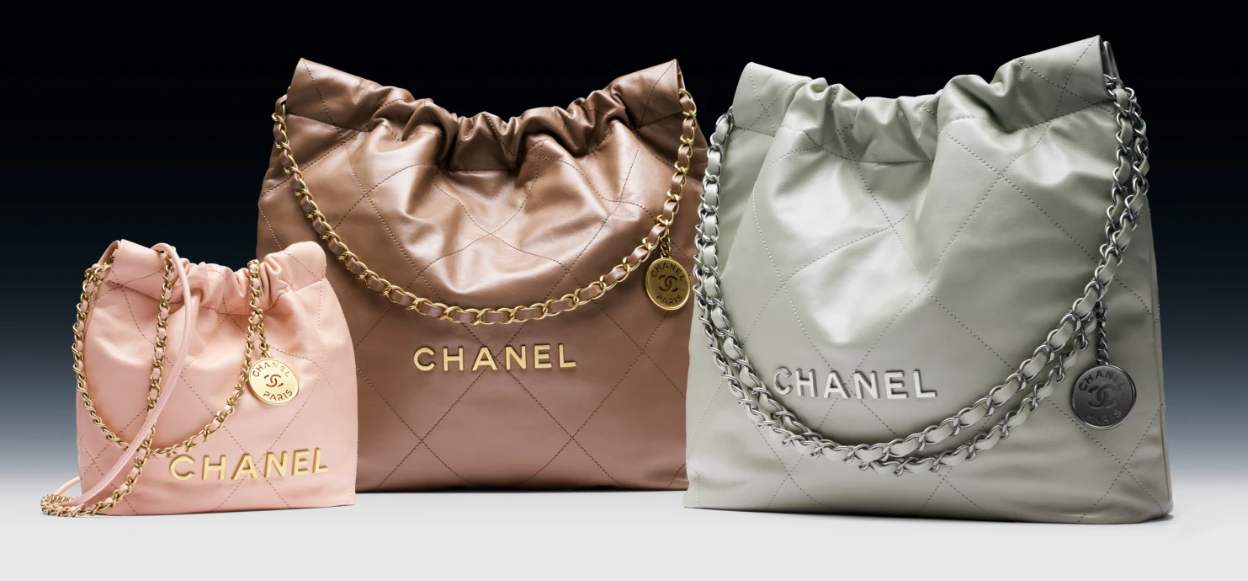
Few designs embody this better than the Chanel 22.
Introduced as a response to contemporary lifestyles, it abandoned rigidity.
Soft.
Fluid.
Almost undone.
It resembles draped silk more than constructed leather.
It suggests that luxury can exist without performance.
When Margot Robbie pairs it with relaxed tailoring, the message becomes clear:
True sophistication does not require tension.
The brown version grounds.
The light green version lifts.
Both reflect emotional states rather than occasions.
Shop Now
Quiet Statements: Hobo & Chanel 31
Not every Chanel bag seeks icon status.
Some seek intimacy.
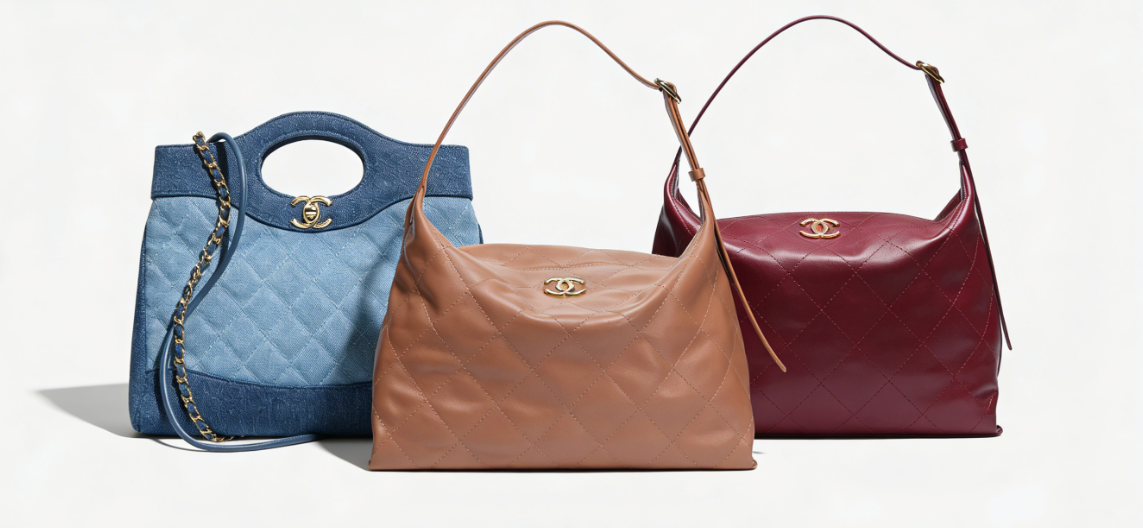
The Hobo bag follows the body’s natural curve.
It rests rather than announces.
It belongs to movement.
And then there is the Chanel 31 Mini Shopping Bag — one of Karl Lagerfeld’s final creative gestures.
Foldable.
Slouchy.
Transformative.
In denim blue, it merges craftsmanship with street fluency.
It resists perfection.
Which is precisely what makes it compelling.
Shop Now
Why These Bags Endure
Fashion often chases novelty.
Chanel cultivates memory.
Each of these designs reflects a stage in the evolving narrative of femininity:
Independence.
Authority.
Rebellion.
Fluidity.
Freedom.
Owning one is not about possession.
It is about alignment.
The Real Question
Is never:
Which one should you buy?
It is:
Who are you becoming?
The romantic traditionalist may choose the 2.55.
The modern minimalist gravitates toward the Classic Flap.
The challenger finds herself in the Boy.
The urban navigator lives in the Chanel 25.
The free spirit carries the Chanel 22.
The creative observer chooses the 31.
Because Chanel was never only about fashion.
It was always about becoming.